A journey through time
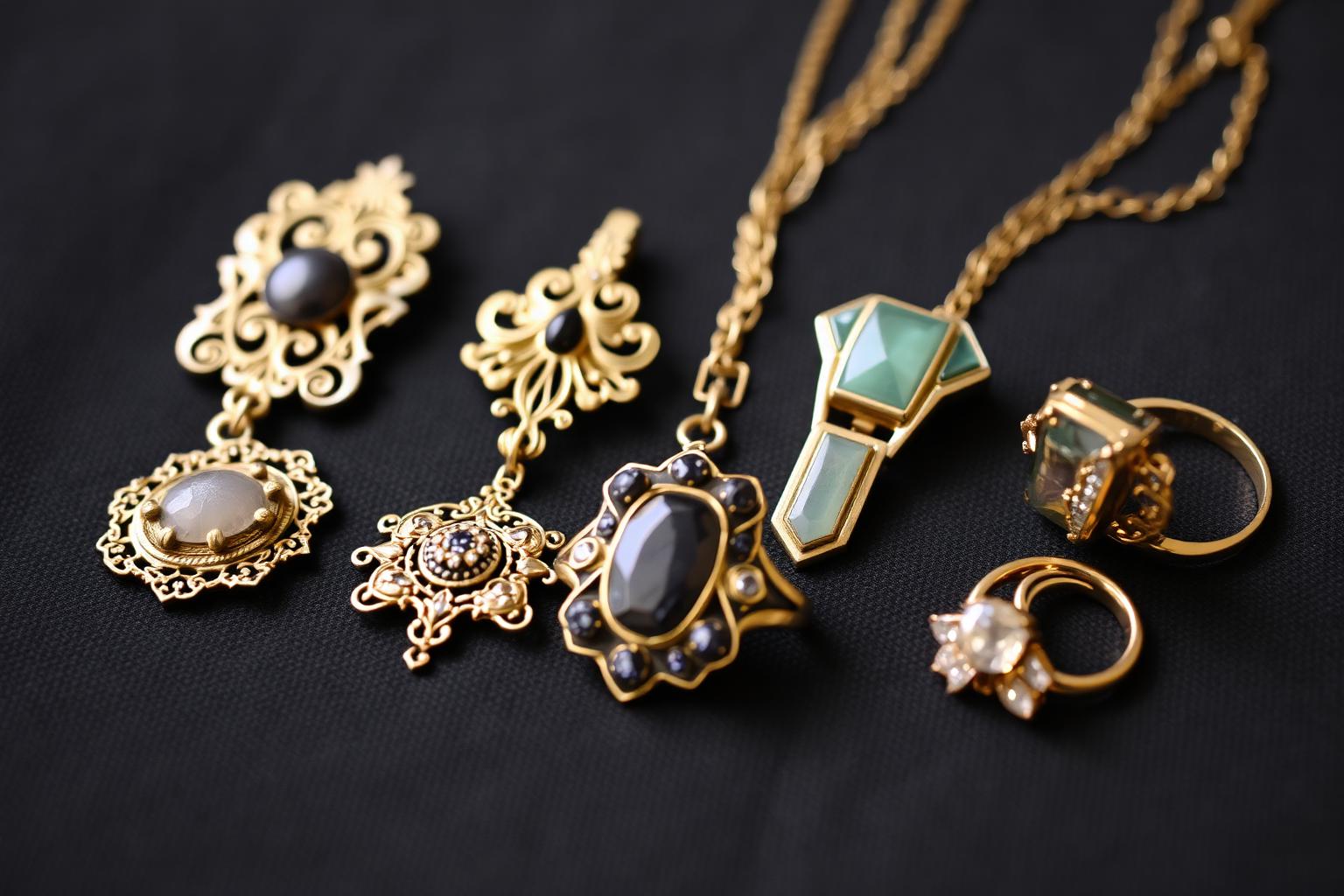
Every ring tells a story. Not only that of the woman who wore it, or the man who gave it, but also that of the atelier where it was made and of the era in which that atelier existed. A Victorian locket from 1870 and an art-deco cocktail ring from 1928 may share the same metal, but they belong to completely different worlds — different techniques, different motifs, a different way of thinking about beauty. Whoever wants to learn to read vintage jewellery starts with the periods. These style guides walk you through seven eras, from romantic serpent rings to brutalist yellow gold of the 1980s. Each chapter gives the context, the vocabulary of form, the details connoisseurs recognise immediately — and the bridge to what this means for value. Take your time, and the jewels will speak.
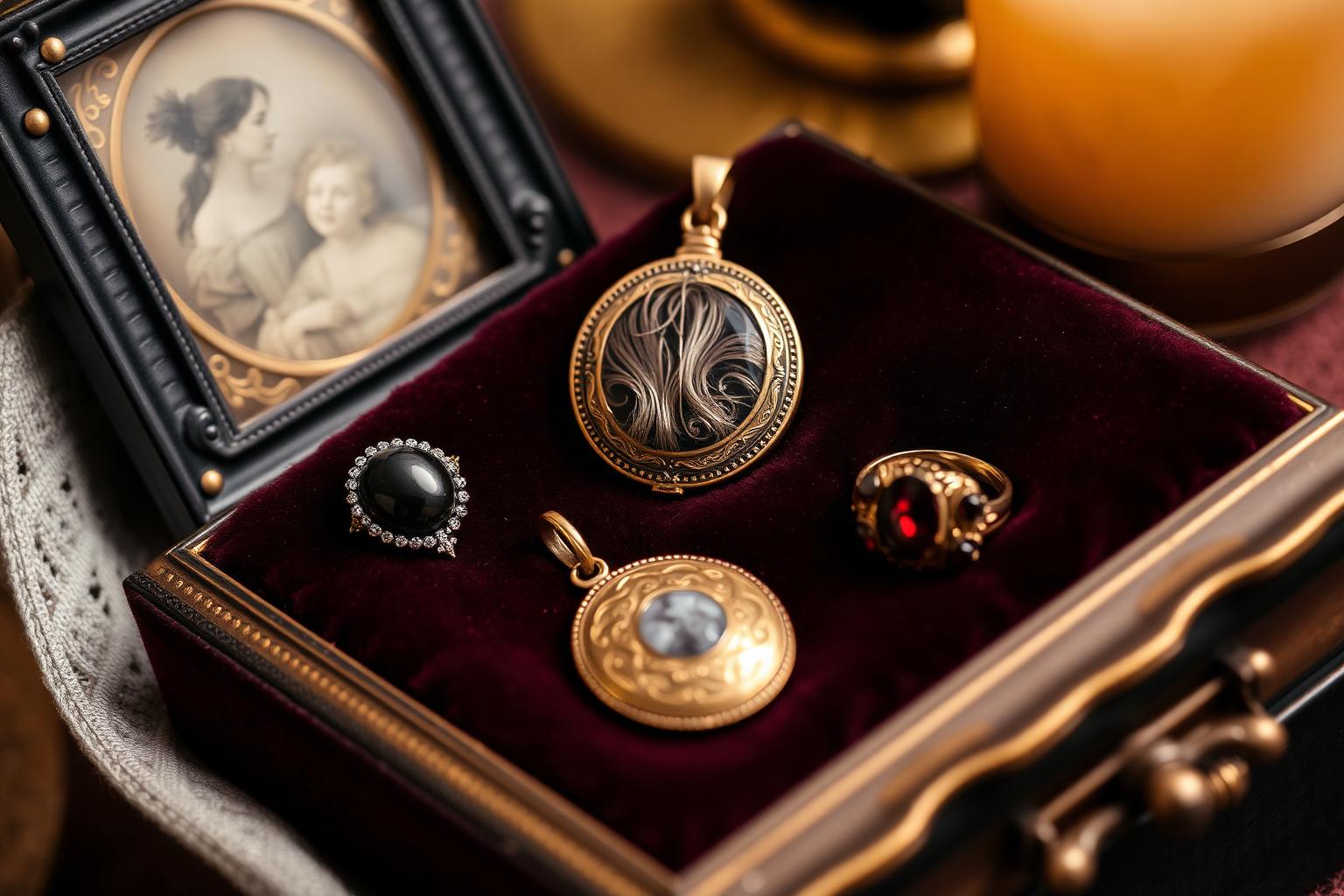 011837–1901
Victoriaans
Slangen die zichzelf in de staart bijten, lockets met een lok haar en gagaat zo zwart als de rouw zelf.
Read the style guide →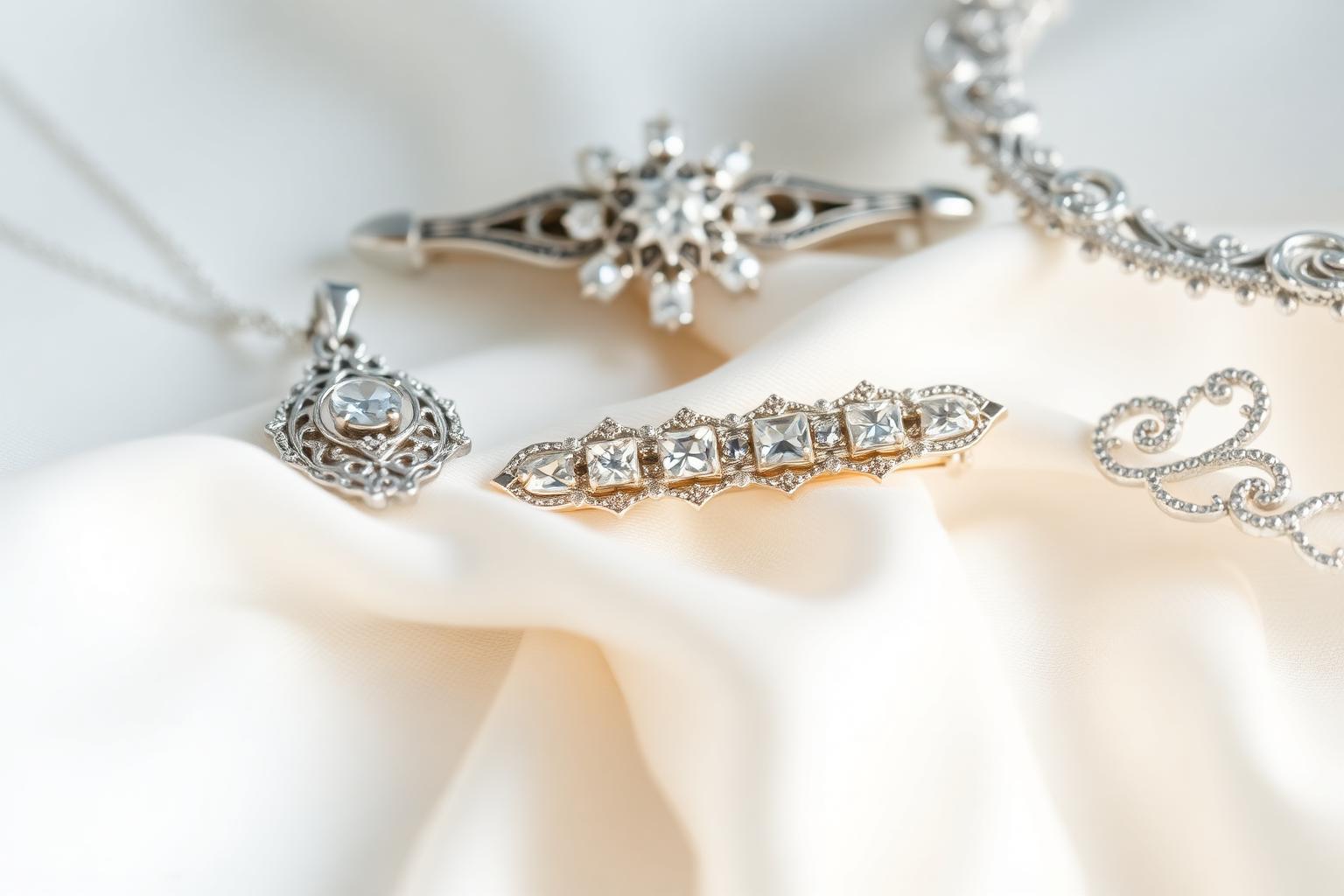 021901–1915
Edwardiaans
Platina zo fijn bewerkt dat het lijkt op kant — sieraden die licht willen zijn, letterlijk en figuurlijk.
Read the style guide →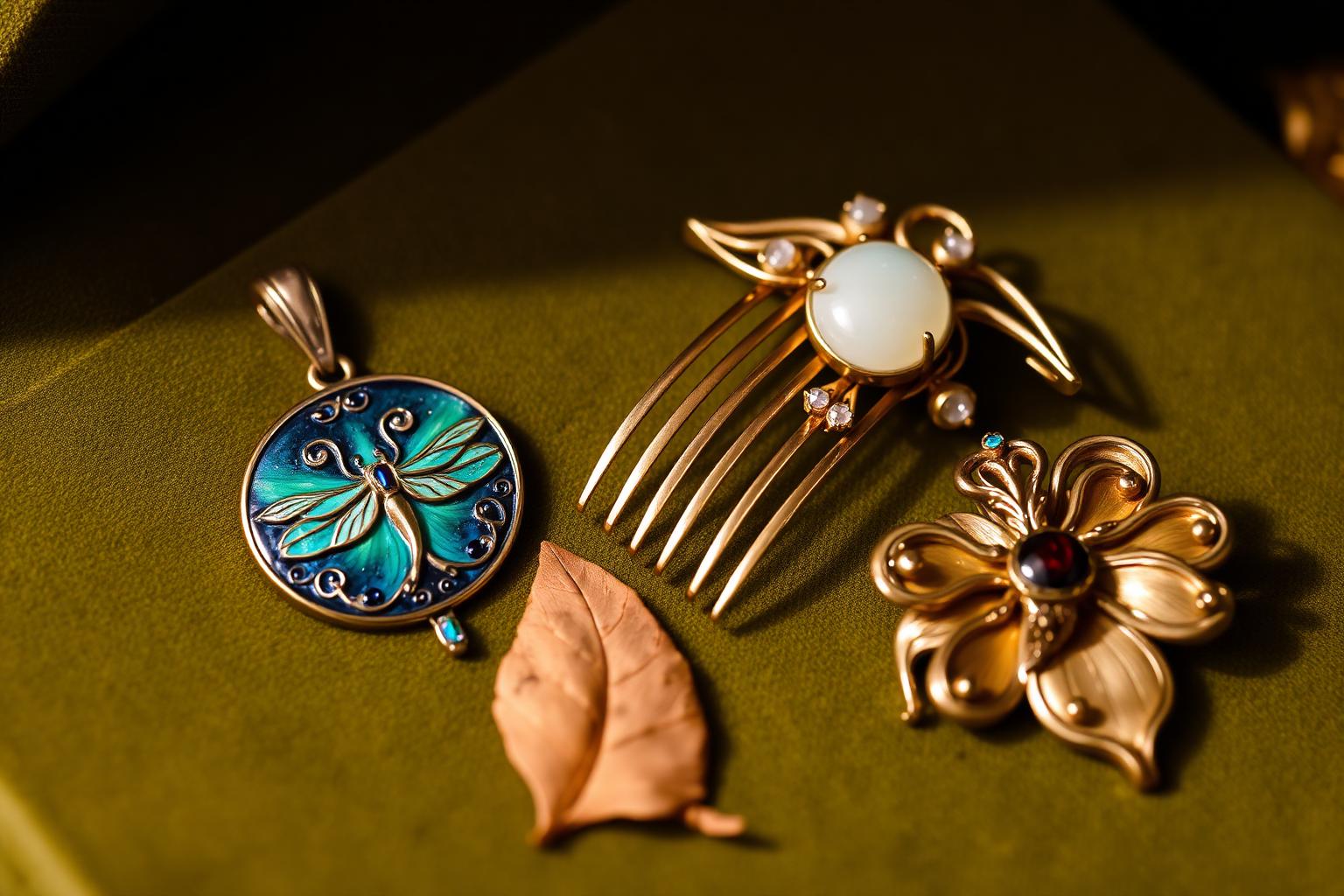 031890–1910
Art Nouveau
Libellen met vleugels van doorschijnend email, vrouwen met haren die overgaan in golven, opalen die kleuren als vroege ochtend.
Read the style guide →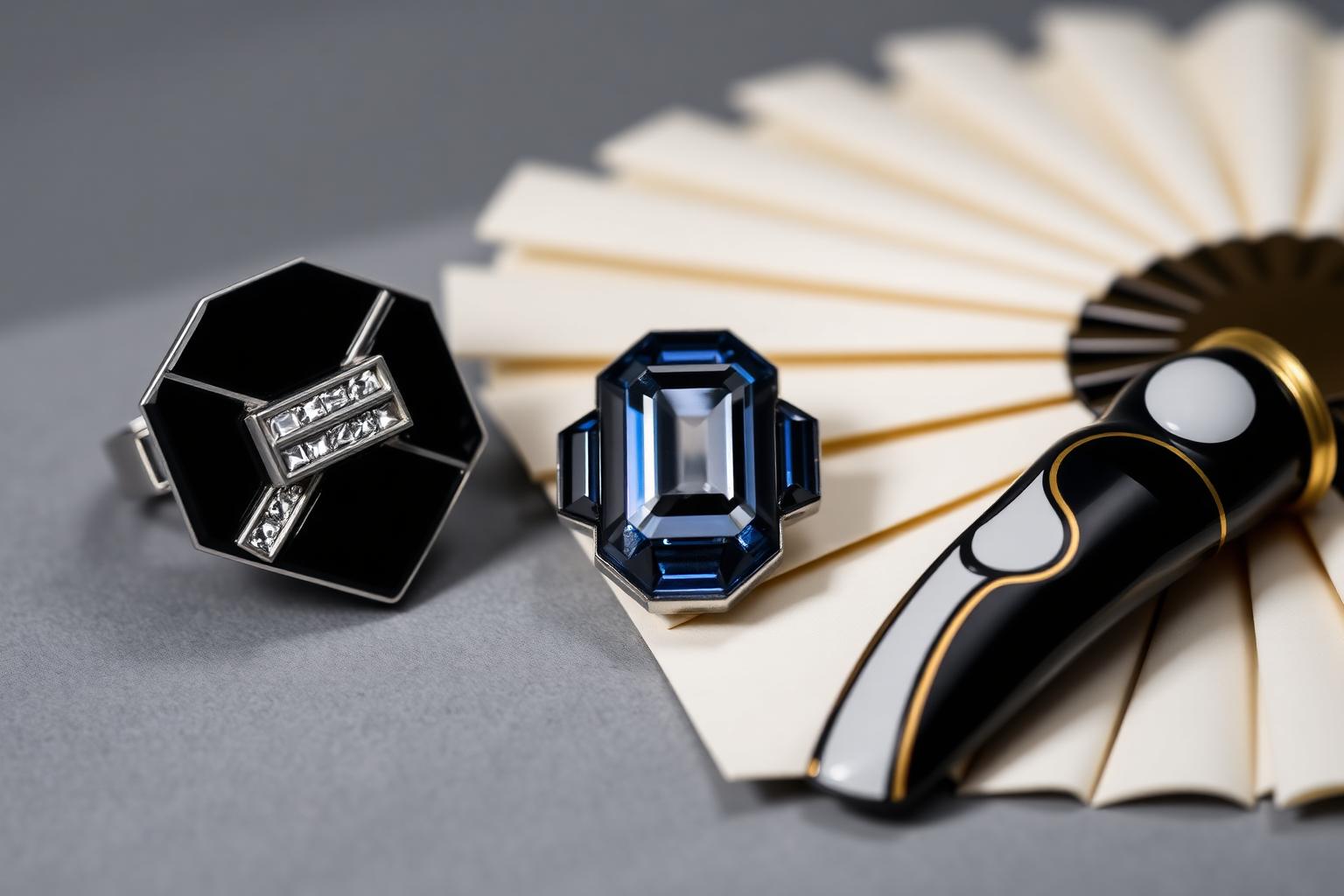 041920–1935
Art Deco
Onyx tegen koraal, zwart tegen wit, cirkels in vierkanten — art deco is jazz in edelmetaal.
Read the style guide →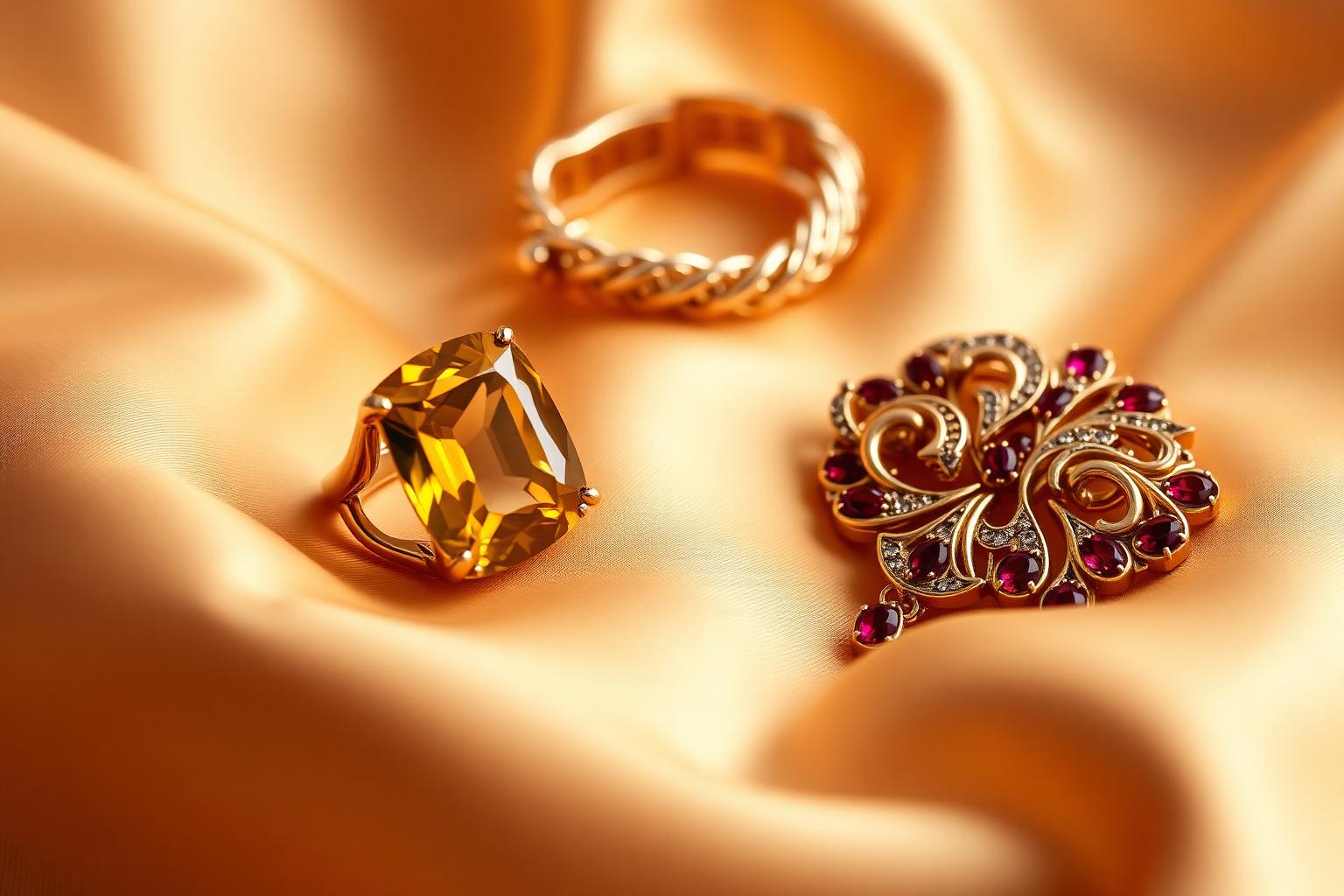 051935–1950
Retro
Groot, warm en sculpturaal. Wanneer platina van het front werd geconfisqueerd, kwam roségoud terug — met een vergeldingsgevoel.
Read the style guide →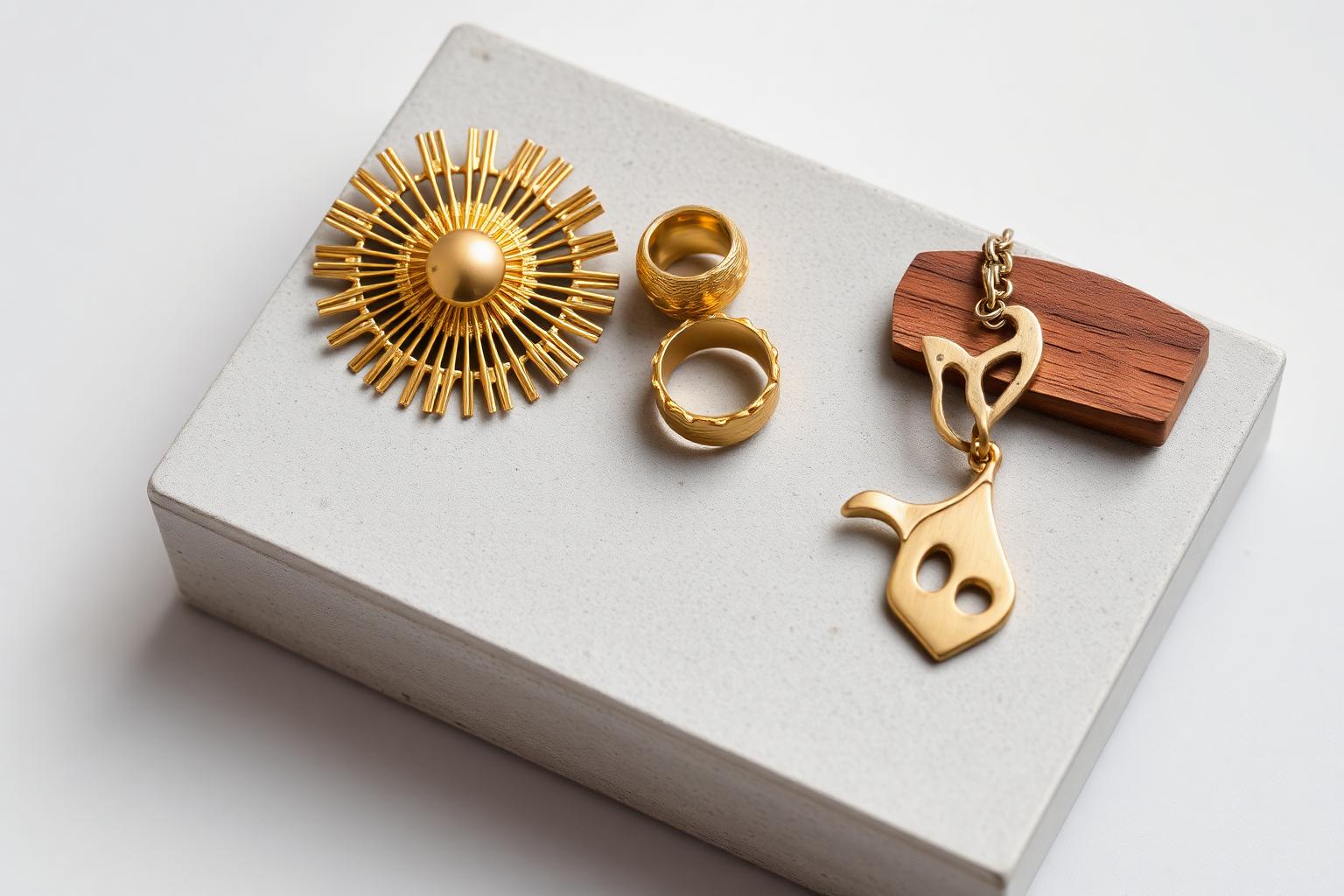 061950–1965
Mid-century
De naoorlogse elegantie: parures die bij elkaar horen, textuurgoud dat licht vangt en de solitair die terugkeert alsof hij nooit was weggeweest.
Read the style guide →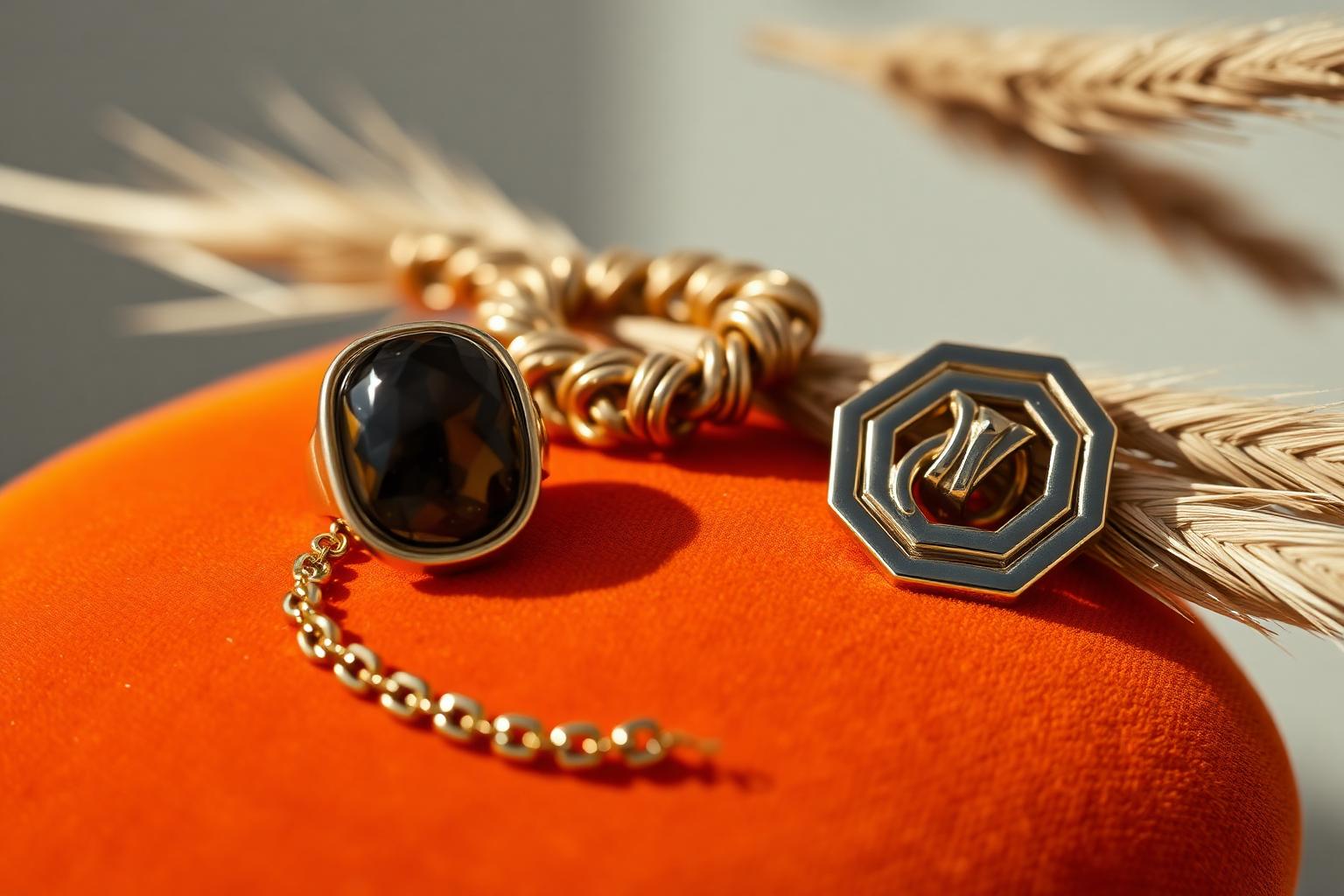 071965–1990
Vintage jaren 70–80
Grof, kleurrijk, sculpturaal — de tijd waarin de designer belangrijker werd dan het huis, en goud zich als expressie liet gelden.
Read the style guide →
Which period does my jewel belong to?
Read along by row. Metal, stones, motif and clasp are often enough together to place a jewel in the right decade. Click a period for the full style guide.
| Period | Years | Metal | Stones | Motif | Clasp / mount |
|---|---|---|---|---|---|
| Victoriaans | 1837–1901 | 15 of 18 karaat geel goud, later 9kt; zilver | Granaat, turkoois, opaal, natuurlijke parel, git | Slang, hart, hand, bloementaal, rouwsymboliek | C-clasp, trombone, kastensluiting met veertje |
| Edwardiaans | 1901–1915 | Platina (soms op goud), 18kt geel goud voor kettingwerk | Diamant, natuurlijke parel, kleine saffier | Guirlande, strik, lauwerkrans, bloemenslinger | Barrel-clasp, kleine veertongsluiting in platina |
| Art Nouveau | 1890–1910 | 18kt geel goud, soms zilver, vaak met email | Opaal, maansteen, hoorn, barokke parel, glas | Libel, pauw, iris, vrouwenfiguur, mistige landschappen | Vaak verborgen in het ontwerp, in email of gouddraad |
| Art Deco | 1920–1935 | Platina, later ook 18kt witgoud, contrasterend geel goud | Diamant (baguette, oude briljant), onyx, koraal, jade, smaragd | Geometrie, waaier, zonnestraal, chevron, Egyptomanie | Rechthoekige boxklipsluiting, veiligheidshaakje in platina |
| Retro | 1935–1950 | 18kt roségoud en geelgoud, dik en sculpturaal | Citrien, aquamarijn, synthetische robijn, amethist | Tank-schakel, strik, cocarde, gasbuis, brug-motief | Robuuste box-klip, dikke veiligheidsketting |
| Mid-century | 1950–1965 | 18kt geelgoud met textuur, weer platina bij haute joaillerie | Diamant (moderne briljant), turkoois, koraal, klassieke saffier | Cluster (bloem), spray, textuurgoud, symmetrische pavé | Verzorgde box-klipsluiting met dubbele veiligheid |
| Vintage jaren 70–80 | 1965–1990 | 18kt geelgoud (dominant), soms combinaties met witgoud | Turkoois, lapis, tijgeroog, koraal, gekleurde saffier, ongepolijst | Brutalistisch, biomorf, dikke schakels, sculpturale volumes | Vaak zichtbaar in het ontwerp, brede karabijn-varianten |
This table is a guide, not a determination. Transitional periods (for instance late Edwardian / early art deco around 1915–1920) require assessment by an appraiser.